
- Introduction
- The Evolution of Home Security in a Smart-Driven World
- Why Home Security Matters More Than Ever in 2025
- AI-Powered Surveillance Systems Redefining Protection
- Smart Home Integration and Unified Security Platforms
- Biometric Access Controls Bringing Futuristic Security to Homes
- Smart Locks and Keyless Entry Enhancing Everyday Safety
- Environmental Monitoring Sensors Expanding Home Safety
- Predictive Security with Behavioral Analytics
- Drone-Assisted Monitoring for Large Properties
- Cybersecurity Integration for Smart Homes
- Smart Doorbells Providing Enhanced Visibility and Access Control
- Advanced Alarm Systems with Multi-Layered Defense
- Voice-Controlled Security Enhancing User Accessibility
- Energy-Efficient and Eco-Friendly Security Solutions
- The Future of Home Security: What to Expect Beyond 2025
- Frequently Asked Questions
- FAQs About Home Security Innovations
Introduction
The world of Home Security has experienced a dramatic transformation in recent years as technology evolves faster than ever before. Homeowners no longer rely solely on traditional locks or basic alarm systems. Instead, they are turning toward layered, intelligent, and predictive solutions designed to protect loved ones from both physical and digital threats. At Deep Dive Picks, we explore the products and technologies reshaping modern safety standards, helping families make informed decisions through research-backed, expert-level insights. As 2025 brings smarter solutions to the forefront, understanding these innovations is essential for staying protected and ahead of emerging threats.
The Evolution of Home Security in a Smart-Driven World
Home Security has shifted from reactionary to predictive as modern systems are capable of identifying risks before they escalate. This evolution reflects a broader cultural and technological shift where AI, sensors, and automation seamlessly integrate into daily life. Older technologies were designed merely to warn after an incident occurred, but today’s systems analyze real-time data, anticipate unusual patterns, and communicate with homeowners instantly. The smarter and more interconnected our homes become, the more proactive our security strategies need to be.
Why Home Security Matters More Than Ever in 2025
With households relying heavily on digital connectivity, cybercrime, physical intrusions, and identity theft have become more sophisticated. This makes Home Security a critical investment rather than an optional upgrade. Families are increasingly aware that threats no longer target only doors and windows but also Wi-Fi networks, smart devices, and cloud-connected systems. Innovations in this space reflect real-world concerns as homeowners demand systems capable of protecting both their physical property and digital lives. The rise of remote work and online learning adds another layer of necessity since more time spent at home naturally increases exposure to potential risks.
AI-Powered Surveillance Systems Redefining Protection
Among the most groundbreaking advancements in Home Security are AI-powered surveillance systems that surpass traditional cameras. These systems rely on machine learning to distinguish between routine activity and suspicious movements. Instead of overwhelming homeowners with useless notifications, AI systems identify patterns such as unfamiliar faces, unusual time-of-day activity, or even behavioral cues that traditional motion sensors would miss. This intelligent detection reduces false alarms and allows homeowners to respond faster when real threats arise. Unlike earlier models that only recorded footage, modern AI cameras actively participate in securing the home by alerting authorities, triggering lights, or locking doors automatically based on predefined rules.
Smart Home Integration and Unified Security Platforms
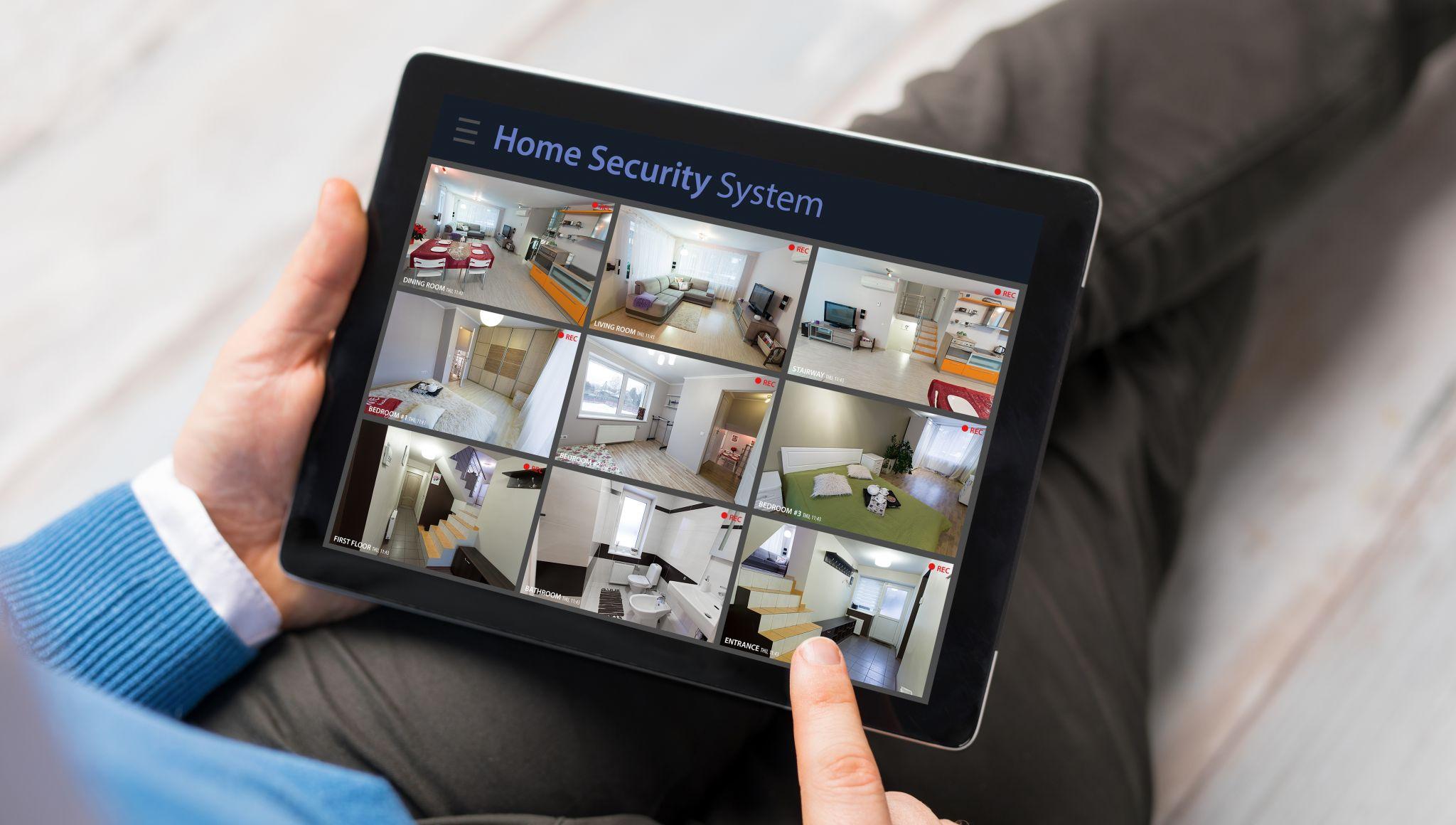
The future of Home Security lies in unified, interconnected platforms where every device communicates seamlessly. Instead of relying on separate systems for lighting, entry monitoring, and surveillance, homeowners now enjoy the convenience of centralized dashboards. Smart assistants act as the hub for managing sensors, doorbells, alarms, locks, and automation settings. This integration creates a more coherent and responsive protective environment. A single voice command or automated schedule can secure entry points, adjust lighting to simulate occupancy, or receive updates on sensor activity. This level of control empowers homeowners to oversee their entire Home Security ecosystem from anywhere in the world, making protection more intuitive and accessible.
Biometric Access Controls Bringing Futuristic Security to Homes
Biometric technology, once exclusive to high-security facilities, has become a popular addition to residential Home Security. These systems replace traditional keys and PINs with highly personalized identifiers such as fingerprints, facial recognition, and retina scans. This ensures that only authorized individuals gain access while eliminating the risks associated with losing keys or sharing codes. Biometric locks and doorbells create an environment where identity is verified instantly and accurately. Because biometric data cannot be easily replicated, these systems add an additional layer of confidence for families seeking maximum protection.
Smart Locks and Keyless Entry Enhancing Everyday Safety
Smart locks represent a major leap forward for Home Security, offering convenience, automation, and enhanced control. Homeowners can lock or unlock doors remotely, grant temporary access to guests or service providers, and receive immediate alerts when doors are opened. Advanced models integrate AI to detect forced entry attempts and automatically trigger alarms. With keyless entry systems, there is no longer a need to hide spare keys, reducing the risk of unauthorized access. These locks often integrate with broader ecosystem features, enabling synchronized actions such as turning on porch lights or activating security cameras when the door is used.
Environmental Monitoring Sensors Expanding Home Safety
Many families are surprised to learn that environmental threats like fire, gas leaks, flooding, and extreme temperatures pose just as much risk as break-ins. Modern Home Security systems now include advanced sensors capable of detecting smoke particles, water levels, air quality issues, and CO2 concentration. These sensors communicate directly with mobile devices and automation hubs, ensuring instant alerts even when no one is home. Because environmental emergencies can escalate quickly, early detection is vital to preventing large-scale damage. Integrating these sensors into a broader security ecosystem gives homeowners comprehensive peace of mind.
Predictive Security with Behavioral Analytics
One of the most impressive technological accomplishments in modern Home Security is the use of behavioral analytics to predict risks before they occur. Systems analyze patterns such as typical arrival times, daily routines, lighting habits, and device usage. When anomalies appear—such as unexpected movement at unusual hours—the system sends an immediate alert. By learning the homeowner’s habits, predictive analytics reduce unnecessary alerts while improving responsiveness to real dangers. This innovation represents a shift from passive monitoring to intelligent prediction, offering a level of self-learning security never seen before.
Drone-Assisted Monitoring for Large Properties
Drone-assisted monitoring is a growing trend in Home Security, especially for large or rural properties. These drones can automatically deploy when sensors detect suspicious activity, providing aerial footage and real-time tracking. They offer a significant advantage by covering areas ground-based cameras cannot see. With the ability to follow intruders, drones enhance situational awareness and support faster reporting to authorities. The combination of AI, thermal imaging, and live data streaming makes drone integration a futuristic but increasingly practical innovation for homeowners who prioritize expansive coverage.
Cybersecurity Integration for Smart Homes
As more devices connect through Wi-Fi and cloud services, cybersecurity becomes a foundational part of Home Security. Hackers targeting smart locks, cameras, or automation hubs can gain access to sensitive information or manipulate home systems. Modern security solutions incorporate encrypted communication, multi-factor authentication, and network-level protections designed to stop unauthorized attempts. This integration ensures that digital vulnerabilities do not compromise physical safety. Homeowners benefit from real-time breach alerts, secure device pairing, and automatic system updates, all of which create a safer digital environment for connected homes.
Smart Doorbells Providing Enhanced Visibility and Access Control
Smart doorbells have become essential components of Home Security, offering live video feeds, motion detection, and communication with visitors. These devices allow homeowners to monitor entry points even when they are miles away. Many models incorporate AI features that differentiate between people, packages, and animals. This reduces unnecessary alerts and provides clarity when assessing potential risks. Smart doorbells also support remote access control, allowing users to grant entry after verifying identity. This layer of visual confirmation reinforces overall household safety by eliminating guesswork.
Advanced Alarm Systems with Multi-Layered Defense
Traditional alarms relied on simple triggers such as doors or windows opening. Today’s Home Security alarms utilize multiple layers of defense, including vibration sensors, infrared detection, and sound analysis. These systems are more difficult to bypass and provide faster, more accurate alerting. Multi-layered alarms are designed to communicate not just with homeowners but also with emergency services, providing critical information immediately. The speed and precision of modern alarms make them indispensable for families looking for dependable, proactive protection.
Voice-Controlled Security Enhancing User Accessibility
Voice integration has become a popular feature in Home Security as smart assistants allow hands-free commands. Homeowners can arm systems, lock doors, view camera feeds, or adjust lighting using a simple voice prompt. This accessibility is particularly helpful for elderly users, parents carrying children, or individuals with mobility limitations. By eliminating manual steps, voice control improves the efficiency and responsiveness of home protection strategies.
Energy-Efficient and Eco-Friendly Security Solutions
Sustainability now plays a significant role in how homeowners choose Home Security solutions. Energy-efficient devices such as solar-powered cameras, low-consumption sensors, and self-charging smart locks reduce environmental impact while lowering utility costs. These eco-friendly innovations demonstrate how modern security technology can coexist with responsible living. Many families find comfort in knowing that their safety solutions also contribute to environmental preservation.
The Future of Home Security: What to Expect Beyond 2025
The future of Home Security points toward even deeper AI integration, greater automation, and more biometric advancements. Systems will likely become more personalized, learning homeowners’ habits at a granular level. We may also see broader use of predictive analytics, holographic interfaces, and robotics for real-time protection. As threats evolve, so will the technologies designed to counter them, ensuring that families remain one step ahead. The ultimate goal is a home environment where security becomes effortless, intuitive, and deeply interconnected with everyday life.
Conclusion
The landscape of Home Security is changing rapidly, bringing advanced technologies into the lives of everyday homeowners. From AI-powered surveillance to biometric access, environmental sensors, drones, and predictive analytics, today’s innovations set a new standard for safety. As homes become smarter and more connected, so do the systems that protect them. Families can now rely on intelligent, proactive solutions designed to detect, prevent, and respond to threats instantly. At Deep Dive Picks, our mission is to help readers navigate these evolving technologies with well-researched insights that empower them to make informed decisions. Whether adopting new systems or upgrading older ones, embracing these innovations is essential for ensuring a safer, smarter, and more secure future. The landscape of Home Security is changing rapidly, bringing advanced technologies into the lives of everyday homeowners. From AI-powered surveillance to biometric access, environmental sensors, drones, and predictive analytics, today’s innovations set a new standard for safety. As homes become smarter and more connected, so do the systems that protect them. Families can now rely on intelligent, proactive solutions designed to detect, prevent, and respond to threats instantly. At Deep Dive Picks, our mission is to help readers navigate these evolving technologies with well-researched insights that empower them to make informed decisions. Whether adopting new systems or upgrading older ones, embracing these innovations is essential for ensuring a safer, smarter, and more secure future. For more insights, head over to our main site.
Frequently Asked Questions
FAQs About Home Security Innovations
What makes modern Home Security systems more effective than older solutions?
Modern Home Security systems are more effective because they use AI, real-time monitoring, and predictive analytics to detect threats before they escalate. These systems integrate multiple devices, automate responses, and reduce false alarms, offering more comprehensive protection than traditional alarms.
Are smart locks reliable for everyday use?
Smart locks have become highly reliable due to advanced encryption, biometric verification, and secure cloud connectivity. They provide stronger protection than traditional keys by eliminating risks such as lost keys or unauthorized duplication while offering automated access control.
How does AI improve surveillance in Home Security?
AI enhances surveillance by recognizing unusual patterns, identifying unfamiliar faces, and reducing false alerts caused by pets or routine movements. With its ability to analyze behavior rather than just motion, AI transforms cameras into intelligent protective tools that respond only to real threats.
Do smart home devices increase the risk of cyberattacks?
While smart devices introduce potential cyber risks, modern Home Security platforms mitigate these threats through encryption, secure communication protocols, multi-factor authentication, and built-in cybersecurity measures. Keeping firmware updated further reduces vulnerability.
Are environmental sensors necessary for Home Security?
Environmental sensors are essential because they protect against hazards like fires, gas leaks, and flooding. These threats can be just as harmful as burglaries, and early detection through smart sensors helps prevent substantial damage and ensures overall home safety.