
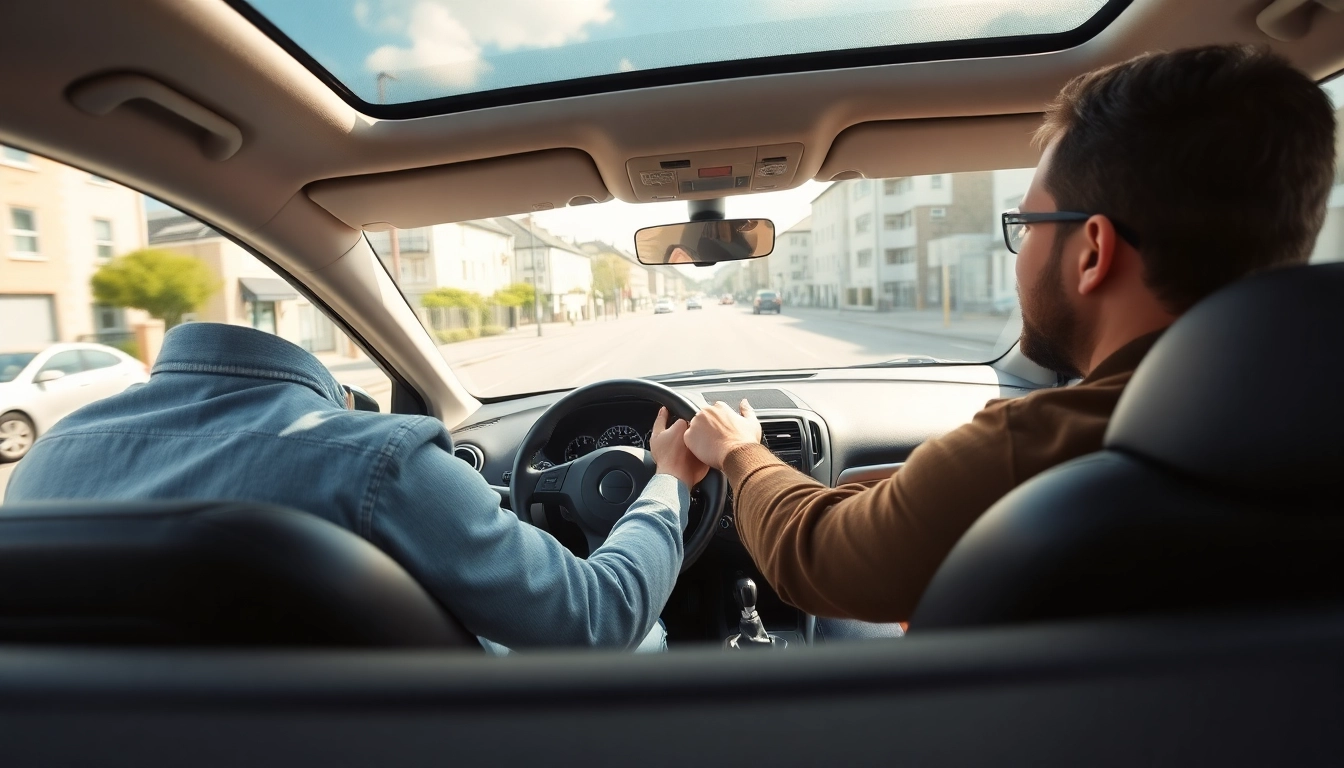
Understanding Automatic Driving Lessons Portsmouth
Automatic driving lessons Portsmouth cater to a wide range of learners, particularly those seeking a more straightforward approach to mastering the roads. Automatic vehicles eliminate the complexity of manual gear shifting, allowing students to concentrate on navigating traffic and following road signs. This focus on driving rather than gear management helps boost confidence, making it an appealing choice for many prospective drivers.
The Basics of Automatic Vehicles
To truly embrace the benefits of automatic driving lessons Portsmouth, it’s essential to understand how automatic vehicles operate. Unlike manual cars, automatic vehicles use a system that automatically changes gears based on speed and engine load. This means that learners don’t have to worry about clutch control, gear ratios, or stalling, making the learning curve more manageable.
Furthermore, advancements in technology have led to various automatic car models featuring adaptive cruise control, lane-keeping assistance, and other driver-assist technologies. Understanding these functionalities can enhance safety and driving experience, making it vital for learners to familiarize themselves with their vehicle’s unique features.
Benefits of Choosing Automatic Driving Lessons Portsmouth
Choosing automatic driving lessons Portsmouth provides numerous advantages. Here are some of the standout benefits:
- Less Stressful Learning Experience: New drivers often feel overwhelmed by the complexities of manual driving. Automatic lessons simplify the process.
- Faster to Learn: Many learners find that they can achieve proficiency more quickly with automatic cars, often passing their tests in less time.
- Improved Focus on Road Safety: By eliminating gear management, learners can concentrate more on defensive driving and situational awareness.
- Accessibility for All: Automatic cars are a great option for those with physical limitations, making driving more accessible.
What to Expect During Your Lesson
Each automatic driving lesson Portsmouth is structured to ensure learners gain practical experience alongside theoretical knowledge. Expect the following during your sessions:
- Initial Assessment: The instructor will evaluate your current skills and tailor lessons accordingly.
- Focus on Road Rules: Lessons will cover essential traffic regulations and local road signs.
- Hands-On Practice: You’ll spend a significant amount of time driving under the guidance of an expert instructor.
Preparing for Your First Automatic Driving Lesson Portsmouth
Preparation is key to ensuring a successful first driving lesson. Here’s how to get ready:
Essential Documents and Requirements
Before your driving lessons, it’s important to have all your documentation in order. Typically, you will need:
- Valid Provisional Driving License: Ensure you have this before you start lessons.
- Identification: Bring a form of ID for instructor verification.
- Health Checklist: Some lessons may require a health declaration, particularly if you have medical conditions.
Choosing the Right Time and Location
Selecting the optimal time and location for your lessons can significantly impact your learning experience. Consider scheduling lessons during quieter hours to avoid heavy traffic and distractions. If possible, choose locations familiar to you, as this can reduce anxiety as you learn new skills.
Mental Preparation and Tips for Success
Being mentally prepared is crucial for any learner driver. Here are some tips to enhance your readiness:
- Set Realistic Goals: Define what you aim to achieve with each lesson.
- Stay Positive: A positive mindset fosters confidence and learning.
- Practice Relaxation Techniques: Techniques such as deep breathing can help reduce pre-lesson jitters.
What to Focus on During Automatic Driving Lessons Portsmouth
During your sessions, certain skills and concepts should be prioritized to set a strong foundation for your driving abilities.
Key Skills to Master
Mastering essential driving skills is vital in the journey towards becoming a competent driver. Key skills to focus on include:
- Steering Control: Learn to maintain control of the vehicle in various conditions.
- Acceleration and Braking: Understanding how and when to accelerate or decelerate safely is crucial.
- Traffic Navigation: Learn to navigate through different types of traffic scenarios with ease.
Understanding Road Signs and Rules
Safety on the roads begins with familiarizing yourself with traffic rules and signs. Essential areas of study include:
- Sign Recognition: Know the meaning of various road signs.
- Traffic Signals: Understand how to respond to traffic lights and pedestrian signals.
- Speed Limits: Be aware of different speed limits across various road types.
Practical Driving Exercises
Incorporating practical exercises into your driving lessons is essential for hands-on learning. These may include:
- Reversing and Parking: Mastering reversing, parallel parking, and bay parking is fundamental.
- Utilizing Roundabouts: Learn the rules and approach to roundabouts to ensure smooth execution.
- Emergency Stops: Practice performing emergency stops safely and effectively.
Common Challenges in Automatic Driving Lessons Portsmouth
Every learner faces challenges, and acknowledging those can help in overcoming them effectively.
Overcoming Fear and Anxiety
Fear of driving is common among learners, but there are effective strategies to combat it:
- Communicate with Your Instructor: Express your concerns; they can adapt lessons to suit your comfort level.
- Gradual Exposure: Start with simpler tasks and gradually progress to more complex driving situations.
- Practice Outside of Lessons: Additional practice can build confidence.
Dealing with Common Mistakes
Mistakes are part of the learning process. Common errors include:
- Gear Mismanagement: While automatic cars minimize this, it’s still essential to understand when to use the accelerator versus braking.
- Underestimating Distances: Learners often misjudge the space needed for maneuvers; practice will help improve this.
- Neglecting Mirrors: Always remember to check mirrors, as they are vital for safe maneuvers.
When to Ask for Additional Help
Recognizing when you need extra help is crucial. Signs may include:
- Consistent Mistakes: If you notice yourself repeatedly making the same errors, don’t hesitate to ask for guidance.
- Persistent Anxiety: If driving causes anxiety despite efforts to relax, discussing this with your instructor can lead to tailored strategies.
- Need for Advanced Skills: If you feel ready to progress or tackle more complex driving situations, ask about additional lessons.
Beyond Driving Lessons: Preparing for the Driving Test
Preparation for a driving test goes beyond practical driving skills; it encompasses understanding the testing process as well.
Essential Tips for Passing Your Test
To enhance your chances of passing the driving test, consider these recommendations:
- Study Road Rules: Familiarize yourself thoroughly with traffic laws and regulations.
- Practice Specific Maneuvers: Ensure you are confident in all required exercises, such as parking and reversing.
- Simulate Test Conditions: Practice driving as you would during the test, including taking the same route when possible.
Mock Driving Tests: Why They Matter
Mock driving tests are invaluable for preparation. They help:
- Assess Readiness: These simulations can highlight areas needing improvement.
- Familiarize with Test Format: Being accustomed to the testing format alleviates anxiety.
- Receive Constructive Feedback: Instructors can provide insights on what to focus on before the actual test.
Post-Test Tips for New Drivers
Congratulations, you’ve passed your test! Here’s how to transition smoothly into independent driving:
- Stay Cautious: Embrace a cautious approach as you gain real-world experience.
- Continue Learning: The learning journey doesn’t stop after passing; stay updated on road rules and conditions.
- Consider Advanced Courses: Advanced driving courses can further hone your skills.
FAQs
What age can I take automatic driving lessons?
You can start learning to drive at 17 years old in the UK, provided you have a valid provisional driving license.
Are automatic driving lessons easier than manual lessons?
Many learners find automatic driving lessons easier due to the lack of gear shifting, allowing them to focus more on driving safely.
How many lessons will I need to pass my test?
The number of lessons varies per learner, but on average, students might require around 20-40 lessons before feeling ready for their test.
Can I switch from automatic to manual after passing?
Yes, you can switch to manual later. However, you will need to take a new driving test to gain your manual driving license.
Are automatic vehicles more expensive to insure?
Insurance costs can vary based on vehicle type, driver experience, and other factors; generally, automatic cars do not inherently cost more to insure.