
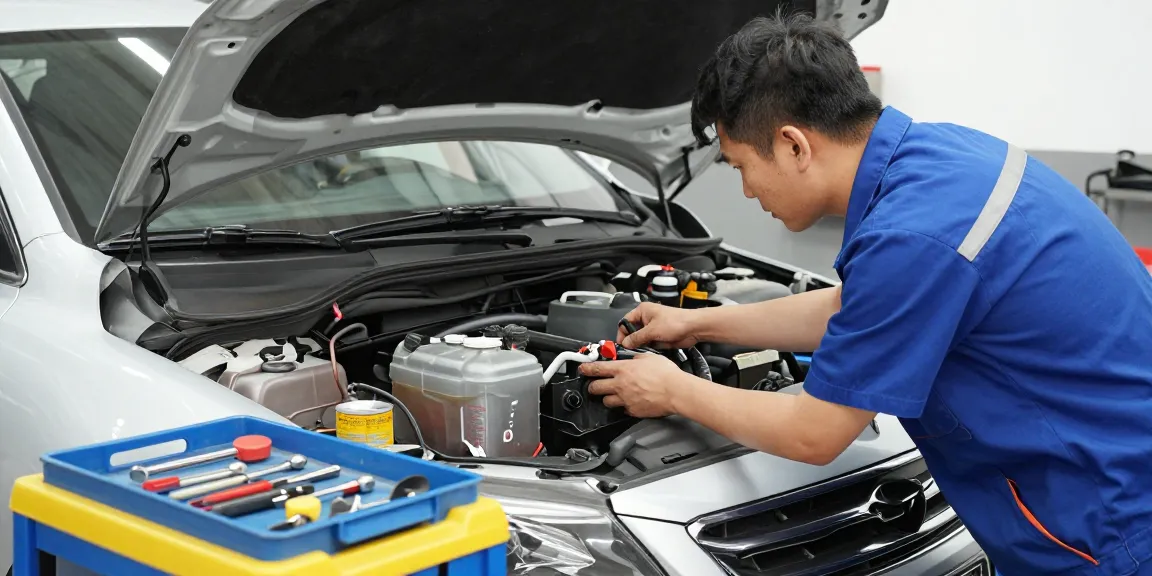

Understanding Low Coolant Symptoms and Their Implications
When it comes to car maintenance and safety, low coolant levels can pose a serious threat, especially during the sweltering summer months. Many drivers overlook the signs until it’s too late, risking significant engine damage and costly repairs. Understanding the symptoms of low coolant and what to do about them can save you time and money. This article will address the critical insignia of inadequate coolant levels, outline immediate steps you should take, discuss potential risks, and offer insights into maintaining your vehicle for optimal performance. For comprehensive details regarding low coolant symptoms, stick with us.
Identifying Signs of Low Coolant Levels
There are several key indicators that alert you to low coolant levels. Recognizing them can be vital in preventing engine overheating, which can lead to catastrophic failures. Essential symptoms include:
- Engine temperature higher than normal: If your vehicle shows an elevated temperature reading, consider checking your coolant levels immediately.
- Less cold air from the air conditioning: The air conditioner may struggle to cool effectively, which can be a sign of low coolant.
- Engine fan always running: A continuously running fan indicates that the engine is attempting to cool itself, often due to insufficient coolant.
- Sweetish smell near the hood: This odor may suggest coolant leakage.
- Level below ‘Minimum’ in the tank: This obvious sign should never be ignored.
Short-Term Risks of Continuing to Drive
Ignoring low coolant symptoms can have serious short-term consequences. Each moment you drive with inadequate coolant increases the risk of engine overheating, which can potentially lead to:
- Severe engine damage: Components like gaskets or water pumps may fail, leading to costly repairs.
- Overheating during traffic: The risk escalates significantly in high-temperature conditions, especially when idling.
- Increased repair costs: What might begin as a simple top-up can quickly escalate into expenses ranging from €1000 to €3000 or more for major repairs.
Importance of Early Detection and Intervention
To ensure long-term vehicle reliability, being proactive is key. Regularly checking coolant levels and conducting vehicle maintenance will give you an upper hand against costly repairs. Early intervention can often turn a small issue into an easily manageable one.
What To Do Immediately If You Suspect Low Coolant
Steps to Assess Your Vehicle’s Coolant Levels
If you suspect your coolant is low, begin with these essential checks:
- Check the coolant level in the reservoir when the engine is cool. Ensure the level is between the ‘Minimum’ and ‘Maximum’ lines.
- Top up the coolant if necessary but use the manufacturer-recommended fluid.
- Inspect for any visible leaks under the vehicle. Look for puddles or traces of fluid around the engine and hoses.
Emergency Procedures for Driving
If you must drive with low coolant, follow these guidelines to mitigate risks:
- Avoid heavy acceleration to prevent overheating.
- Drive slowly and monitor the temperature gauge closely.
- Pull over safely if the temperature gauge approaches the red zone.
When to Seek Professional Mechanic Help
In situations where coolant levels continue to drop, or if symptoms worsen, it’s time to consult a licensed mechanic. Specific circumstances when professional help is vital include:
- A persistent sweet smell near the engine indicates a possible leak.
- Liquids pooling underneath the vehicle.
- If the temperature gauge remains high despite topping up coolant levels.
Common Causes of Low Coolant Levels
Identifying Potential Leaks and Damages
Understanding the common reasons for low coolant can help you address issues more effectively:
- Small radiator leaks: These usually develop over time and can lead to significant coolant loss.
- Worn or cracked hoses: Rubber hoses degrade and can become brittle, leading to leaks.
- Defective tank cap: A malfunctioning cap can fail to maintain the necessary pressure in the cooling system.
- Worn water pump: Failure here can lead to leaks, affecting coolant circulation.
- Damaged head gasket: A critical failure that can allow coolant to enter the engine, leading to severe damage.
Environmental Factors Affecting Coolant Use
Seasonal shifts, particularly the summer heat, can amplify coolant evaporation and leaks. Be mindful of your driving conditions, including:
- Frequent short trips that prevent the engine from reaching optimal temperature.
- Traffic congestion that leads to higher operating temperatures.
Regular Maintenance Practices to Prevent Issues
Adopting good habits in vehicle maintenance will reduce the likelihood of low coolant level issues:
- Regularly check coolant levels during oil changes or service visits.
- Flush and replace coolant every 2-5 years, or as recommended by your vehicle manufacturer.
- Inspect hoses and connectors periodically for signs of wear or damage.
Cost Implications of Ignoring Low Coolant Symptoms
Average Repair Costs vs. Minor Preventive Measures
Tempting as it may be to delay maintenance, the cost of ignoring low coolant symptoms often outweighs preventive measures. Minor interventions such as checking levels and sealing leaks can range from €20 to €150, while major repairs from neglect can soar to several thousand euros.
Long-Term Financial Impact of Engine Damage
A neglected cooling system can shorten the life of your engine dramatically, not to mention the resulting costs:
- If serious damage occurs, repairs can total anywhere from €1000 to €3000 or more.
- Loss of vehicle value due to extensive repairs can also negatively impact your finances.
Essential Budgeting for Vehicle Maintenance
Set aside a dedicated budget for vehicle maintenance. Regular checks and minor repairs will save you from experiencing the financial burden of unforeseen major failures. Allocating a few hundred euros per year for routine maintenance can significantly extend your vehicle’s life and maintain its reliability.
Frequently Asked Questions About Low Coolant Symptoms
Can I Use Water Instead of Coolant?
While you can top up with water temporarily, this should not replace proper coolant. Water can lead to corrosion and freezing issues over time.
How Often Should I Check My Coolant Levels?
It’s advisable to check coolant levels monthly or more frequently if your vehicle is older or shows signs of leaks.
What Should I Do If My Check Engine Light Comes On?
If your check engine light activates, it may indicate low coolant levels among other issues. It’s best to have your vehicle inspected by a professional immediately.