
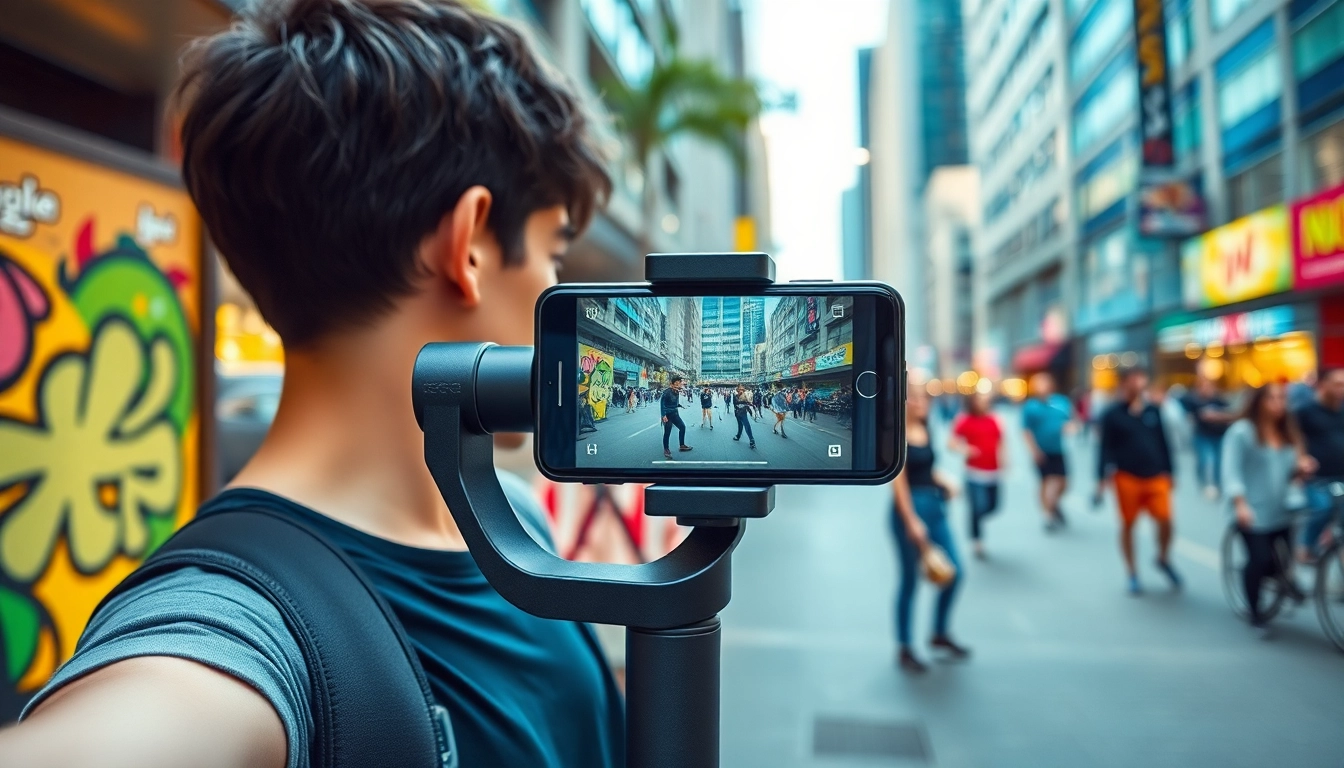

Understanding the Basics of Smartphone-Gimbals
In the rapidly evolving world of video production, the advent of the smartphone-gimbal has revolutionized how creators capture their stories. These handheld devices stabilize cameras and smartphones, allowing users to produce smooth, cinematic footage with minimal effort. As smartphones evolve, so do the tools that help us make the most of their capabilities. This article delves into the intricacies of smartphone gimbals, examining their features, benefits, and the best practices for using them effectively.
What is a Smartphone-Gimbal and How Does It Work?
A smartphone-gimbal is a device designed to stabilize video footage by counteracting unwanted movements and vibrations. Typically, it employs a three-axis stabilization system, which allows the smartphone to tilt, pan, and roll without shaking, resulting in fluid and professional-looking videos. Through sensors and motors, the gimbal constantly adjusts to keep the smartphone level, even as the user moves—be it walking, running, or navigating uneven terrain.
Benefits of Using a Smartphone-Gimbal for Filming
Utilizing a smartphone-gimbal offers substantial benefits for both amateur videographers and professional filmmakers alike. Among the advantages:
- Smooth Footage: Gimbals significantly reduce jitter and shake, making it easier to capture steady shots.
- Enhanced Creativity: With stability comes the freedom to experiment with different filming styles, angles, and transitions.
- Improved Audio Quality: As the camera remains steady, external microphones can capture clearer audio without handling noise.
- Vlogging and Streaming: Gimbals offer an ideal tool for live-streaming events or creating vlogs, providing professional-quality results without the need for bulky equipment.
Key Features to Look for in a Smartphone-Gimbal
When selecting a smartphone-gimbal, consideration of certain features is vital to ensure it meets your filming needs:
- Stabilization Technology: Look for gimbals with advanced motors and sensors that provide optimal stabilization.
- Battery Life: Extended battery life ensures that you can film for longer periods without interruption.
- Weight and Portability: A lightweight design makes it easier to carry and use over extended periods.
- Compatibility: Ensure that the gimbal supports your specific smartphone model and size.
Choosing the Right Smartphone-Gimbal for Your Needs
As you explore the market for smartphone-gimbals, it’s essential to identify your specific requirements. Whether you’re a casual user or an aspiring filmmaker, understanding the distinctions between various models can be daunting. For a deeper analysis of the latest gimbals available, the video on Smartphone-Gimbal provides comprehensive insights that could guide your decision-making process.
Comparative Analysis of Popular Smartphone-Gimbals in 2025
As of 2025, several smartphone-gimbals stand out in the market:
- DJI Osmo Mobile 7: Known for its intuitive controls and robust stabilization features, this gimbal excels in various shooting conditions.
- Insta360 Flow 2 Pro: A favorite among creators for its AI-powered tracking and versatile filming options.
- Hohem iSteady V3: A budget-friendly choice with excellent performance and user reviews, perfect for those new to gimbals.
- FeiyuTech VLOG Pocket 2: Compact and foldable, making it ideal for travelers and vloggers on the go.
Smartphone Compatibility and Gimbal Selection
Not all gimbals are created equal when it comes to smartphone compatibility. Before investing, check the gimbal’s specifications to ensure it supports your device’s size and weight. Many modern gimbals are designed to accommodate a range of models from different manufacturers, including both Android and iOS devices.
Budget-Friendly Options vs. Premium Choices
The market offers a variety of gimbals across different price ranges. Budget-friendly options, like the Hohem iSteady V3, provide essential features for casual users, while premium models like the DJI Osmo Mobile 7 are perfect for professional videographers seeking advanced capabilities.
Best Practices for Using Your Smartphone-Gimbal
To maximize the benefits of your smartphone-gimbal, implementing proper techniques is crucial. Below are some best practices to consider:
Setting Up Your Smartphone-Gimbal for Optimal Performance
Before you start filming, ensure that your gimbal is correctly balanced with your smartphone. This involves adjusting the position of the phone in the gimbal’s clamp to achieve equilibrium. A balanced gimbal will enhance battery life and provide smoother footage.
Filming Techniques That Maximize Gimbal Stability
When filming, use a combination of walking smoothly and using gentle hand movements. Engage your core and avoid sudden jerks and starts. Techniques such as the “walking like a penguin” method can help minimize bounce and ensure stable shots.
Avoiding Common Mistakes with Smartphone-Gimbals
Some common pitfalls include not balancing the gimbal properly, which can lead to battery drain and jittery footage. Additionally, avoid excessive panning or tilting, as this can undermine the stabilization effect. Practice maneuvering slowly and deliberately to achieve optimal results.
Advanced Techniques for Video Production with Smartphone-Gimbals
As you grow more comfortable using a smartphone-gimbal, you can explore advanced filming techniques to elevate your content:
Incorporating Creative Movements and Angles
Experimenting with different angles and movements can produce dynamic footage. Techniques such as “reveal shots,” where you gradually unveil a scene, or “tracking shots,” where you follow a subject, can add depth and interest to your videos.
Editing Tips for Gimbal-Stabilized Footage
Editing is as crucial as filming when it comes to producing high-quality video content. Ensure that your footage aligns in color and lighting. Software like Adobe Premiere Pro and Final Cut Pro offer tools to enhance the smoothness of gimbal-assisted footage.
Using Smartphone-Gimbals for Live Streaming and Content Creation
With the rise of live streaming, smartphone-gimbals have become invaluable tools for content creators. They provide stable shots while you interact with your audience in real time. Ensure your gimbal is charged and balanced, and familiarize yourself with any apps needed for streaming before going live.
The Future of Smartphone-Gimbals: Trends and Innovations
The landscape of smartphone-gimbals continues to evolve, with emerging technologies shaping future designs and functionalities.
Emerging Technologies in Gimbal Design and Functionality
Future gimbals may incorporate AI features for automated tracking, enhanced facial recognition, and advanced user interfaces for easier control and customization. Streaming capabilities and wireless features are also expected to receive significant upgrades.
Forecasting the Evolution of Smartphone-Gimbals by 2025
As smartphone technology advances, gimbal designs will likely follow suit, offering lighter materials and even more efficient stabilization systems. The integration of augmented reality (AR) features could provide users with real-time feedback on their filming techniques.
Expert Insights: What to Expect from the Gimbal Market
Industry experts anticipate that the market for smartphone-gimbals will continue to grow, driven by an increasing number of creators seeking high-quality production tools. The competition between brands will likely lead to innovations that will make gimbals more accessible and user-friendly for all levels of videographers.